William Cowper The Task
Source: The Task (1785), Book IV, The Winter Evening, Line 86.
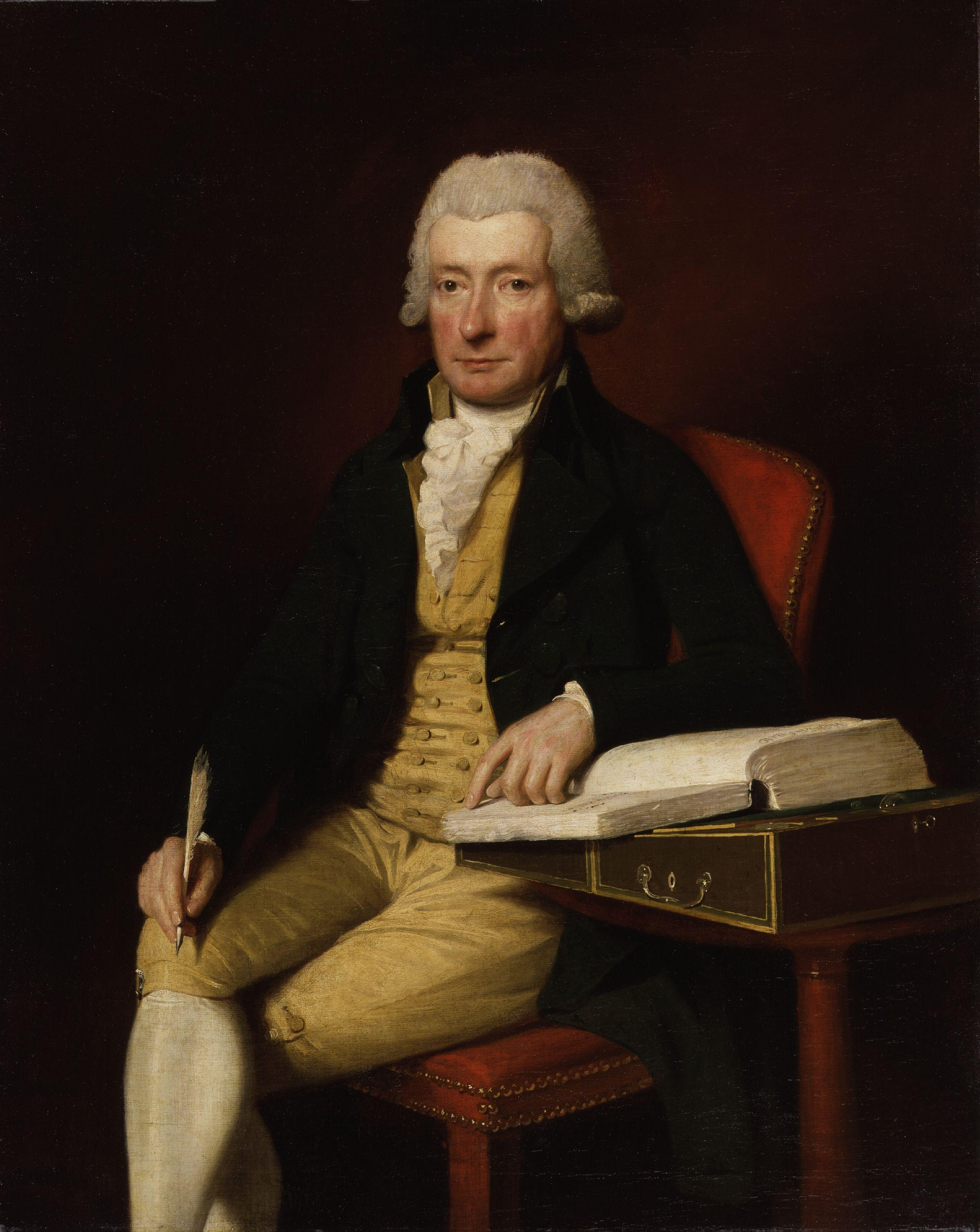
William Cowper , né à Berkhamsted, dans le comté anglais de Hertfordshire le 26 novembre 1731, et mort le 25 avril 1800 à East-Dereham, dans le Norfolk , est un poète britannique considéré comme le précurseur du Romantisme en poésie.
Ne commençant à publier qu'à l’âge de quarante ans, William Cowper innova en abandonnant le style néo-classique et en choisissant pour thème des scènes de la vie quotidienne des campagnes anglaises, qui firent de lui l'un des poètes les plus populaires de son temps. Particulièrement apprécié par l'écrivain anglais Jane Austen - plusieurs des héroïnes de ses romans le citent ou font allusion à ses poèmes - ce précurseur du romantisme est reconnu par ses successeurs immédiats : Wordsworth et Coleridge. La poétesse Elizabeth Barrett Browning lui a même dédié un poème : Cowper's Grave. Poète moralisant, il a aussi laissé de nombreuses hymnes d'inspiration évangélique. Wikipedia
William Cowper The Task
Source: The Task (1785), Book IV, The Winter Evening, Line 86.
“As if the world and they were hand and glove.”
Source: Table Talk (1782), Line 173.
Verses supposed to be written by Alexander Selkirk.
Bartlett's Familiar Quotations, 10th ed. (1919)
William Cowper The Task
Source: The Task (1785), Book V, The Winter Morning Walk, Line 779.
William Cowper The Task
Source: The Task (1785), Book II, The Timepiece, Line 411.
“There is a bird who by his coat,
And by the hoarseness of his note,
Might be supposed a crow.”
The Jackdaw (translation from Vincent Bourne).
Bartlett's Familiar Quotations, 10th ed. (1919)
Source: Verses supposed to be written by Alexander Selkirk (1782), Line 17.
“Here the heart
May give a useful lesson to the head,
And Learning wiser grow without his books.”
William Cowper The Task
Source: The Task (1785), Book VI, Winter Walk at Noon, Line 85.
“My soul
Shall bear that also; for, by practice taught,
I have learned patience, having much endured.”
The Odyssey of Homer: translated into English blank verse (1791), Book V, line 264.
“I was a stricken deer that left the herd
Long since.”
William Cowper The Task
Source: The Task (1785), Book III, The Garden, Line 108.
“She that asks
Her dear five hundred friends.”
William Cowper The Task
Source: The Task (1785), Book II, The Timepiece, Line 642.
“Not a flower
But shows some touch, in freckle, streak or stain,
Of his unrivall'd pencil.”
William Cowper The Task
Source: The Task (1785), Book VI, Winter Walk at Noon, Line 240.
“No man can be a patriot on an empty stomach.”
From the writings of William Cowper Brann (1855 – 1898), known as Brann the Iconoclast. http://www.google.co.uk/books?id=zc6W3a68NsoC&pg=PA60&dq=%22patriot+on+an+empty%22+inauthor:Brann&as_brr=0&sig=an5LOns0MG1gg4C2x7VNE1HdeuI <br class="br">Misattributed
William Cowper The Task
Source: The Task (1785), Book II, The Timepiece, Line 17.
“Who loves a garden loves a greenhouse too.”
William Cowper The Task
Source: The Task (1785), Book III, The Garden, Line 566.
“Just knows, and knows no more, her Bible true,—
A truth the brilliant Frenchman never knew.”
Truth, line 327.
Bartlett's Familiar Quotations, 10th ed. (1919)
Translation of Horace, book ii, Ode x.
Bartlett's Familiar Quotations, 10th ed. (1919)
William Cowper The Task
Source: The Task (1785), Book II, The Timepiece, Line 702.
William Cowper The Task
Source: The Task (1785), Book IV, The Winter Evening, Line 34.
“Glory, built
On selfish principles, is shame and guilt.”
Source: Table Talk (1782), Line 1.
“An idler is a watch that wants both hands;
As useless when it goes as when it stands.”
William Cowper Retirement
Source: Retirement (1782), Line 681.
“But that disease when soberly defined
Is the false fire of an o'erheated mind.”
Source: Conversation (1782), Line 667; of fanaticism.
“Remorse, the fatal egg by Pleasure laid.”
Source: The Progress of Error (1782), Line 240.
Charity, line 435.
Bartlett's Familiar Quotations, 10th ed. (1919)
No. 35, "Light Shining out of Darkness".
Olney Hymns (1779)


