“Ceux qui ne peuvent pas se rappeler le passé sont condamnés à le répéter.”
Those who cannot remember the past are condemned to repeat it.
en
The Life of Reason: The Phases of Human Progress (1905-1906)
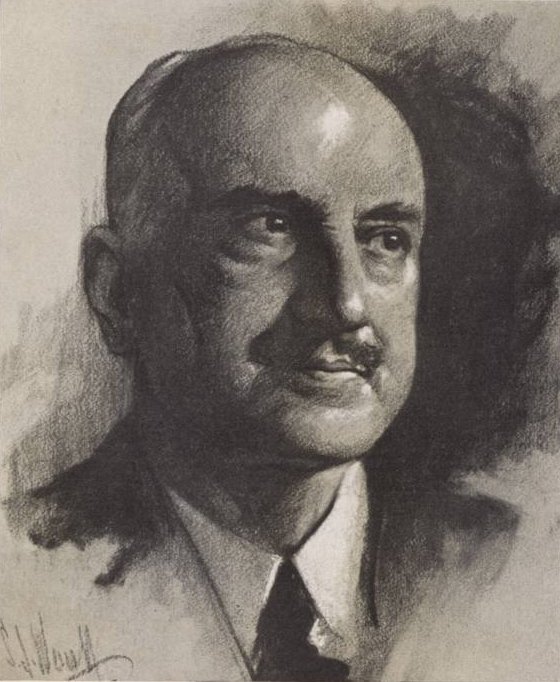
George Santayana est un écrivain et philosophe américano-hispanique de langue anglaise, né à Madrid le 16 décembre 1863 et décédé le 26 septembre 1952 à Rome. Wikipedia
“Ceux qui ne peuvent pas se rappeler le passé sont condamnés à le répéter.”
Those who cannot remember the past are condemned to repeat it.
en
The Life of Reason: The Phases of Human Progress (1905-1906)
Source: The Life of Reason: The Phases of Human Progress (1905-1906), Vol. V, Reason in Science, Ch. 3 "Mechanism"
George Santayana livre Scepticism and Animal Faith
The Works of George Santayana p. 65
Scepticism and Animal Faith (1923)
“The pint would call the quart a dualist, if you tried to pour the quart into him.”
Source: The Genteel Tradition in American Philosophy (1911), p. 60
"The Irony of Liberalism"
Soliloquies in England and Later Soliloquies (1922)
Source: Winds of Doctrine: Studies in Contemporary Opinion (1913), p. 36
Paul Mariani, "Lost Puritan: A Life of Robert Lowell" (1994), p. 159
Misattributed
"Friendships"
Soliloquies in England and Later Soliloquies (1922)
“[Everything] ideal has a natural basis and everything natural an ideal development.”
The Life of Reason: The Phases of Human Progress (1905-1906), Vol. I, Reason in Common Sense
Source: The Life of Reason: The Phases of Human Progress (1905-1906), Vol. III, Reason in Religion, Ch. I
https://owlquote.com/quotes/happiness-is-the-only-2jy3r26
The Life of Reason: The Phases of Human Progress (1905-1906), Vol. I, Reason in Common Sense
Interpretations of Poetry and Religion http://hdl.handle.net/2027/uc2.ark:/13960/t3028sf4m?urlappend=%3Bseq=72 (1900), p. 54 <br class="br">Other works
"The Irony of Liberalism"
Soliloquies in England and Later Soliloquies (1922)
The Life of Reason: The Phases of Human Progress (1905-1906), Vol. V, Reason in Science
https://owlquote.com/quotes/it-is-veneer-rouge-5g358g7
Other works
This contains principally yellow chick-peas, with a little bacon, some potatoes or other vegetables and normally also small pieces of beef or sausage, all boiled in one pot at a very slow fire; the liquid of the same makes the substantial broth that is served first.
Source: Persons and Places (1944), p. 14
“I was still “at the church door.””
Yet in belief, in the clarification of my philosophy, I had taken an important step. I no longer wavered between alternative views of the world, to be put on or taken off like alternative plays at the theatre. I now saw that there was only one possible play, the actual history of nature and of mankind, although there might well be ghosts among the characters and soliloquies among the speeches. Religions, all religions, and idealistic philosophies, all idealistic philosophies, were the soliloquies and the ghosts. They might be eloquent and profound. Like Hamlet's soliloquy they might be excellent reflective criticisms of the play as a whole. Nevertheless they were only parts of it, and their value as criticisms lay entirely in their fidelity to the facts, and to the sentiments which those facts aroused in the critic.
p. 169
Persons and Places (1944)


