“Ceux qui ne peuvent pas se rappeler le passé sont condamnés à le répéter.”
Those who cannot remember the past are condemned to repeat it.
en
The Life of Reason: The Phases of Human Progress (1905-1906)
George Santayana est un écrivain et philosophe américano-hispanique de langue anglaise, né à Madrid le 16 décembre 1863 et décédé le 26 septembre 1952 à Rome. Wikipedia
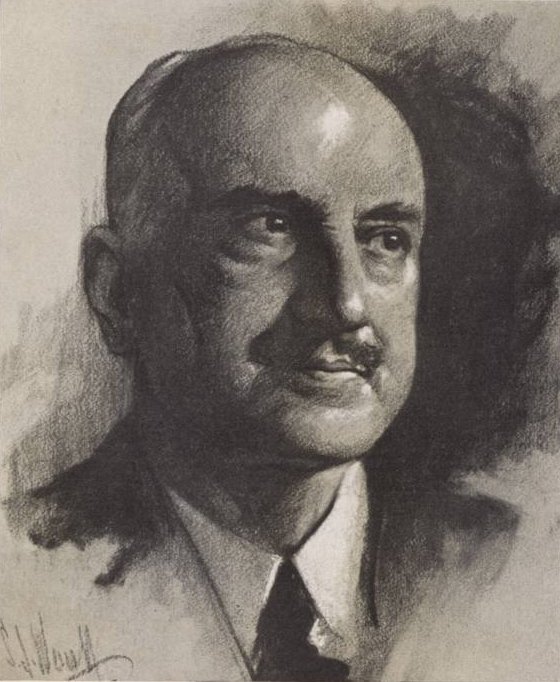
“Ceux qui ne peuvent pas se rappeler le passé sont condamnés à le répéter.”
Those who cannot remember the past are condemned to repeat it.
en
The Life of Reason: The Phases of Human Progress (1905-1906)
“Philosophers are as jealous as women. Each wants a monopoly of praise.”
Source: Dialogues in Limbo (1926), P. 30
Source: The Life of Reason: The Phases of Human Progress (1905-1906), Vol. III, Reason in Religion, Ch. VII
Source: Persons and Places (1944), p. 14
The Poet's Testament http://www.poemhunter.com/poem/the-poet-s-testament/ <br class="br">Other works
“The mind celebrates a little triumph whenever it can formulate a truth.”
The Life of Reason: The Phases of Human Progress (1905-1906), Vol. IV, Reason in Art
“But what a perfection of rottenness in a philosophy!”
William James, of Santayana's The Interpretations of Poetry and Religion (1900), in a letter to George H. Palmer (1900), as quoted in George Santayana : A Biography (2003) by John McCormick
Misattributed
"Dickens"
Soliloquies in England and Later Soliloquies (1922)
Obiter Scripta (1936)
Other works
"On My Friendly Critics"
Soliloquies in England and Later Soliloquies (1922)
"The Irony of Liberalism"
Soliloquies in England and Later Soliloquies (1922)
“The highest form of vanity is love of fame.”
The Life of Reason: The Phases of Human Progress (1905-1906), Vol. II, Reason in Society
“To know how just a cause we have for grieving is already a consolation.”
The Life of Reason: The Phases of Human Progress (1905-1906), Vol. IV, Reason in Art
“Religion in its humility restores man to his only dignity, the courage to live by grace.”
Source: Dialogues in Limbo (1926), Ch. 4
"The Academic Environment" p. 47 ( Hathi Trust http://hdl.handle.net/2027/uc1.b3923968?urlappend=%3Bseq=63) <br class="br">Character and Opinion in the United States (1920)
"The Irony of Liberalism"
Soliloquies in England and Later Soliloquies (1922)
“The living have never shown me how to live.”
"On My Friendly Critics"
Soliloquies in England and Later Soliloquies (1922)
O World, Thou Choosest Not http://www.bartleby.com/236/270.html (1894) <br class="br">Other works
Source: The Life of Reason: The Phases of Human Progress (1905-1906), Vol. II, Reason in Society, Ch. VIII: Ideal Society
“It is not society's fault that most men seem to miss their vocation. Most men have no vocation.”
Source: The Life of Reason: The Phases of Human Progress (1905-1906), Vol. II, Reason in Society, Ch. IV: The Aristocratic Ideal
Source: The Life of Reason: The Phases of Human Progress (1905-1906), Vol. II, Reason in Society, Ch. IV: The Aristocratic Ideal
Source: The Life of Reason: The Phases of Human Progress (1905-1906), Vol. II, Reason in Society, Ch. IV: The Aristocratic Ideal
“Our dignity is not in what we do, but in what we understand. The whole world is doing things.”
Source: Winds of Doctrine: Studies in Contemporary Opinion (1913), p. 199
Gore Vidal, in Palimpsest, A Memoir (1995)
Misattributed
Source: The Life of Reason: The Phases of Human Progress (1905-1906), Vol. III, Reason in Religion, Ch. VI
George Santayana livre The Sense of Beauty
Pt. IV, Expression; § 67: "Conclusion.", p. 270
The Sense of Beauty (1896)
The Genteel Tradition at Bay (1931)
Other works
“Perhaps the only true dignity of man is his capacity to despise himself.”
Introduction to The Ethics of Spinoza (1910)
Introduction to The Ethics of Spinoza (1910)
“Animals are born and bred in litters. Solitude grows blessed and peaceful only in old age.”
Source: Persons and Places (1944), p. 61
“Religions are not true or false, but better or worse.”
This statement is presented in quotes in The Philosophy of Religion and Advaita Vedanta (2008) by Arvind Sharma, p. 216, as a "Santayanan point", but earlier publications by the same author, such as in A Primal Perspective on the Philosophy of Religion (2006), p. 161, state it to be a stance of Santayana without actually indicating or in any ways implying that it is a direct quotation.
Disputed


