John Locke livre Lettre sur la tolérance
Lettre sur la tolérance
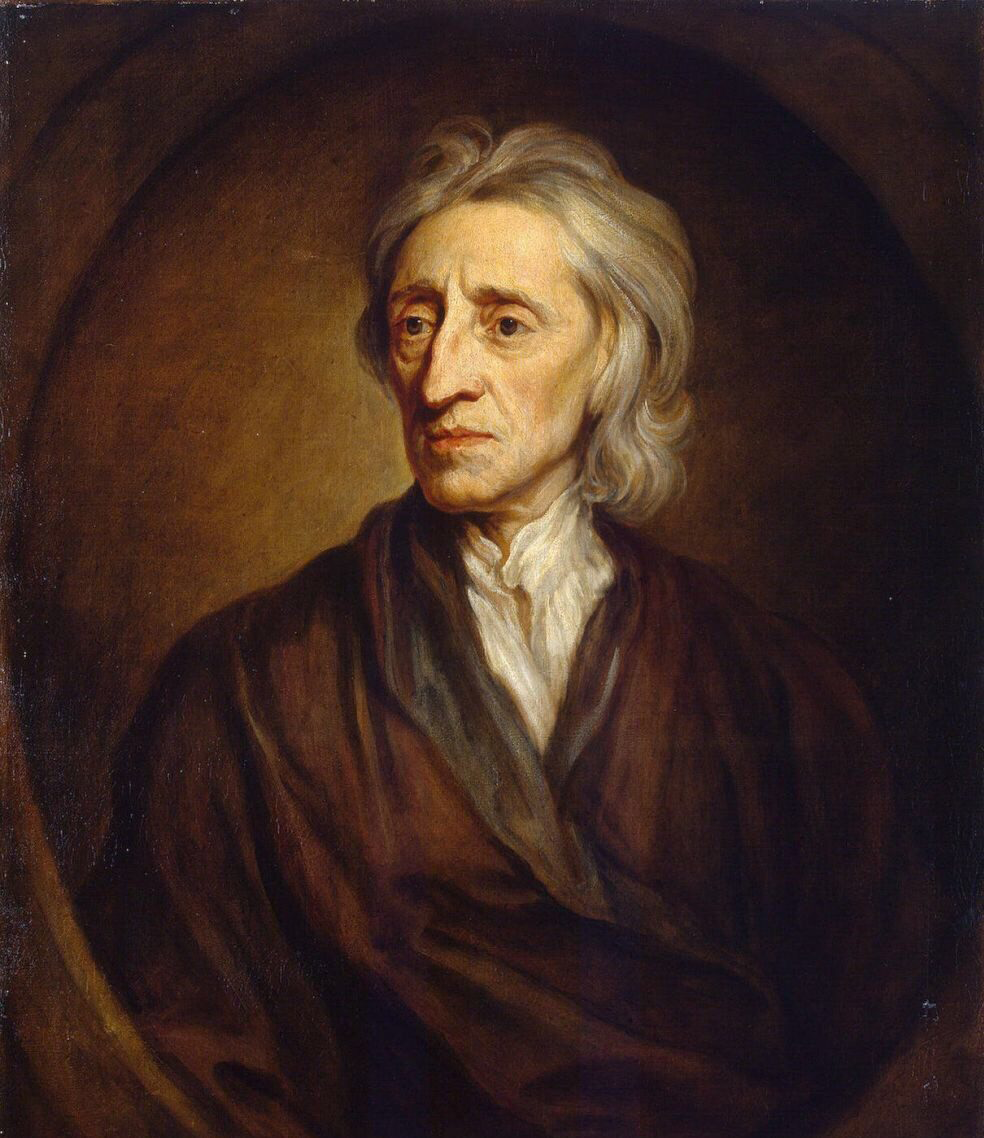
John Locke est un philosophe anglais. Sa théorie de la connaissance était qualifiée d'empiriste car il considérait que l'expérience est l'origine de la connaissance. Sa théorie politique est l'une de celles qui fondèrent le libéralisme et la notion d'« État de droit ». Son influence fut considérable dans ces deux courants de pensée.
John Locke livre Lettre sur la tolérance
Lettre sur la tolérance
“il n’y a rien dans monde qui puisse entrer en comparaison avec l’éternité.”
Lettre sur la tolérance - Précédé de Essai sur la tolérance (1667) et de Sur la différence entre pouvoir ecclésiastique et pouvoir civil
“Our Business here is not to know all things, but those which concern our conduct.”
Source: An Essay Concerning Human Understanding 2
John Locke livre An Essay Concerning Human Understanding
Source: An Essay Concerning Human Understanding
“A sound mind in a sound body, is a short but full description of a happy state in this world.”
John Locke livre Some Thoughts Concerning Education
Sec. 1
Some Thoughts Concerning Education (1693)
Preface to the Reader
The Reasonableness of Christianity (1695)
John Locke livre Some Thoughts Concerning Education
Sec. 94
Some Thoughts Concerning Education (1693)
John Locke livre Some Thoughts Concerning Education
Sec. 81
Some Thoughts Concerning Education (1693)
John Locke livre Two Treatises of Government
Second Treatise of Government, Ch. II, sec. 4
Two Treatises of Government (1689)
“There cannot any one moral Rule be propos'd, whereof a Man may not justly demand a Reason.”
John Locke livre An Essay Concerning Human Understanding
Book I, Ch. 3, sec. 4
An Essay Concerning Human Understanding (1689)
John Locke livre Some Thoughts Concerning Education
Sec. 107
Some Thoughts Concerning Education (1693)
John Locke livre Some Thoughts Concerning Education
Sec. 115
Some Thoughts Concerning Education (1693)
“I am sure, zeal or love for truth can never permit falsehood to be used in the defence of it.”
187
The Reasonableness of Christianity (1695)
§ 106
The Reasonableness of Christianity (1695)
John Locke livre Some Thoughts Concerning Education
Sec. 115
Some Thoughts Concerning Education (1693)
John Locke livre Some Thoughts Concerning Education
Sec. 145
Some Thoughts Concerning Education (1693)
This might be a paraphrase of some of Locke's expressions or ideas, but the earliest publication of the statement in this form seems to be one made in Oversight Hearing on the Columbia River Gorge National Scenic Area Act (1997).
Misattributed
John Locke livre Two Treatises of Government
Second Treatise of Government http://www.constitution.org/jl/2ndtr14.htm, Sec. 168 <br class="br">Two Treatises of Government (1689)
John Locke livre Some Thoughts Concerning Education
Sec. 115
Some Thoughts Concerning Education (1693)
John Locke livre Two Treatises of Government
Second Treatise of Government, Ch. V, sec. 27
Two Treatises of Government (1689)
John Locke livre An Essay Concerning Human Understanding
Book III, Ch. 9, sec. 4
An Essay Concerning Human Understanding (1689)
John Locke livre Some Thoughts Concerning Education
Sec. 115
Some Thoughts Concerning Education (1693)
This statement has been attributed to John A. Locke, but John Locke did not have a middle name. The words "dynamic," "boring" and "repetitive," found in this quote, were not yet in use in Locke's time. (See The Online Etymology Dictionary http://www.etymonline.com/abbr.php.) John A. Locke is listed on one site as having lived from 1899 to 1961; no more information about him was available. <br class="br">Misattributed
John Locke livre Some Thoughts Concerning Education
Sec. 81
Some Thoughts Concerning Education (1693)
John Locke livre Some Thoughts Concerning Education
Sec. 119
Some Thoughts Concerning Education (1693)
John Locke livre Some Thoughts Concerning Education
Sec. 115
Some Thoughts Concerning Education (1693)


