“Wealth is the sinews of affairs.”
Bion, 48.
The Lives and Opinions of Eminent Philosophers (c. 200 A.D.), Book 4: The Academy
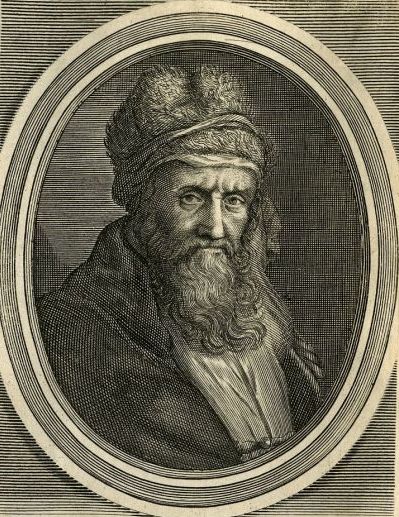
Diogène Laërce est un poète, un doxographe et un biographe du début du IIIe siècle.
On sait peu de choses sur Diogène Laërce. Le fait est d'autant plus ironique qu'il représente souvent l'unique source que nous ayons sur la vie et les doctrines de nombreux philosophes. C'est, par exemple, uniquement par lui que nous connaissons les lettres d'Épicure et ses maximes capitales, ainsi que les testaments de certains philosophes. Certains de ses écrits restent sujets à caution, car il cite par exemple une lettre de Pisistrate à Solon et une réponse de Solon à Pisistrate considérées comme apocryphes.
“Wealth is the sinews of affairs.”
Bion, 48.
The Lives and Opinions of Eminent Philosophers (c. 200 A.D.), Book 4: The Academy
Thales, 14.
The Lives and Opinions of Eminent Philosophers (c. 200 A.D.), Book 1: The Seven Sages
“Bion insisted on the principle that "The property of friends is common."”
Bion, 9.
The Lives and Opinions of Eminent Philosophers (c. 200 A.D.), Book 4: The Academy
Aristotle, 9.
The Lives and Opinions of Eminent Philosophers (c. 200 A.D.), Book 5: The Peripatetics
Socrates, 16.
The Lives and Opinions of Eminent Philosophers (c. 200 A.D.), Book 2: Socrates, his predecessors and followers
Solon, 12.
The Lives and Opinions of Eminent Philosophers (c. 200 A.D.), Book 1: The Seven Sages
Socrates, 5.
The Lives and Opinions of Eminent Philosophers (c. 200 A.D.), Book 2: Socrates, his predecessors and followers
“The question was put to him, what hope is; and his answer was, "The dream of a waking man."”
Aristotle, 9.
The Lives and Opinions of Eminent Philosophers (c. 200 A.D.), Book 5: The Peripatetics
“The saying, "Practice is everything," is Periander’s.”
Periander, 6.
The Lives and Opinions of Eminent Philosophers (c. 200 A.D.), Book 1: The Seven Sages
“Xenophanes was the first person who asserted… that the soul is a spirit.”
Xenophanes, 3.
The Lives and Opinions of Eminent Philosophers (c. 200 A.D.), Book 9: Uncategorized philosophers and Skeptics
Pyrrho, 11.
The Lives and Opinions of Eminent Philosophers (c. 200 A.D.), Book 9: Uncategorized philosophers and Skeptics
“That the gods superintend all the affairs of men, and that there are such beings as dæmons.”
Plato, 42.
The Lives and Opinions of Eminent Philosophers (c. 200 A.D.), Book 3: Plato
“Democritus says, "But we know nothing really; for truth lies deep down."”
Pyrrho, 8.
The Lives and Opinions of Eminent Philosophers (c. 200 A.D.), Book 9: Uncategorized philosophers and Skeptics
Aristippus, 4.
The Lives and Opinions of Eminent Philosophers (c. 200 A.D.), Book 2: Socrates, his predecessors and followers
Anaximander, 2.
The Lives and Opinions of Eminent Philosophers (c. 200 A.D.), Book 2: Socrates, his predecessors and followers
Thales, 9.
The Lives and Opinions of Eminent Philosophers (c. 200 A.D.), Book 1: The Seven Sages
Zeno, 53.
The Lives and Opinions of Eminent Philosophers (c. 200 A.D.), Book 7: The Stoics
Antisthenes, 4.
The Lives and Opinions of Eminent Philosophers (c. 200 A.D.), Book 6: The Cynics
Arcesilaus, 12.
The Lives and Opinions of Eminent Philosophers (c. 200 A.D.), Book 4: The Academy
“The apophthegm "Know thyself" is his.”
Thales, 13. Compare" "There are two sentences inscribed upon the Delphic oracle, hugely accommodated to the usages of man’s life: 'Know thyself', and 'Nothing too much'; and upon these all other precepts depend", Plutarch, Consolation to Apollonius.
The Lives and Opinions of Eminent Philosophers (c. 200 A.D.), Book 1: The Seven Sages
“Just step aside for me to enjoy the sunshine.”
Actually said by his namesake Diogenes of Sinope, when asked by Alexander the Great if there was anything he wanted.
Plutarch, Parallel Lives, "Alexander", ch. 14, section 4.
Misattributed
“Like sending owls to Athens, as the proverb goes.”
Plato, 32.
The Lives and Opinions of Eminent Philosophers (c. 200 A.D.), Book 3: Plato
Thales, 9.
The Lives and Opinions of Eminent Philosophers (c. 200 A.D.), Book 1: The Seven Sages
“Nothing can be produced out of nothing.”
Diogenes of Apollonia, 2.
The Lives and Opinions of Eminent Philosophers (c. 200 A.D.), Book 9: Uncategorized philosophers and Skeptics
“Diogenes would frequently praise those who were about to marry, and yet did not marry.”
Diogenes, 4 (note that this is Diogenes of Sinope).
The Lives and Opinions of Eminent Philosophers (c. 200 A.D.), Book 6: The Cynics
“He was once asked what a friend is, and his answer was, "One soul abiding in two bodies."”
Aristotle, 9.
The Lives and Opinions of Eminent Philosophers (c. 200 A.D.), Book 5: The Peripatetics
Zeno, 72.
The Lives and Opinions of Eminent Philosophers (c. 200 A.D.), Book 7: The Stoics
“As some say, Solon was the author of the apophthegm, "Nothing in excess."”
Solon, 16.
The Lives and Opinions of Eminent Philosophers (c. 200 A.D.), Book 1: The Seven Sages
Chrysippus, 3.
The Lives and Opinions of Eminent Philosophers (c. 200 A.D.), Book 7: The Stoics
"If it is not," he replied, "when will it be?"
Lacydes, 5.
The Lives and Opinions of Eminent Philosophers (c. 200 A.D.), Book 4: The Academy


