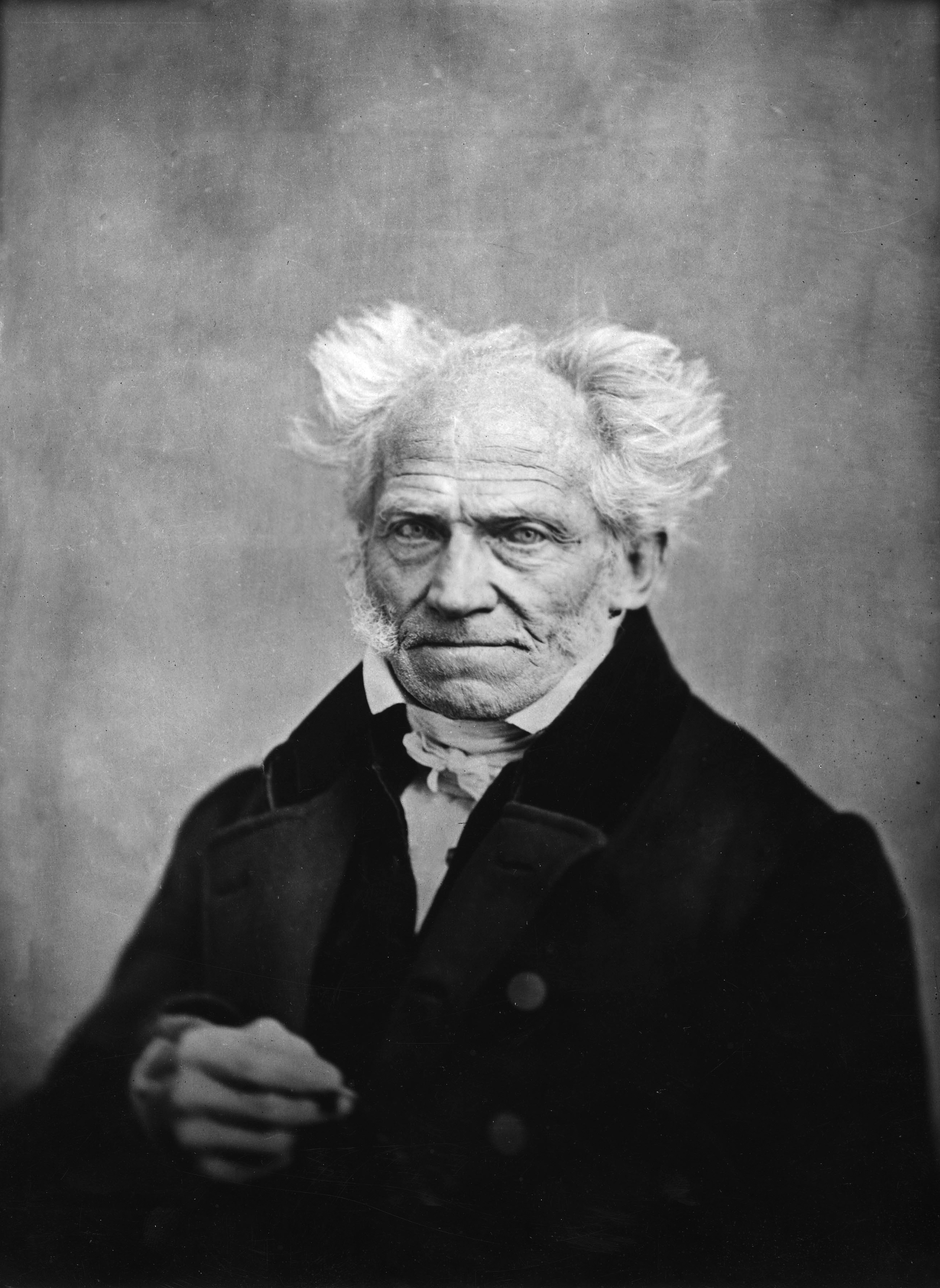
L'art d'être heureux
Arthur Schopenhauer: 279 citations2 J'aime
Arthur Schopenhauer citations célèbres
“Dans toute controverse ou argumentation, il faut que l'on s'entende sur quelque chose, un principe à partir duquel on va juger du problème posé : on ne saurait discuter avec quelqu'un qui conteste les principes.”
Contra negantem principia non est disputandum.
La Dialectique éristique publiée en Français sous le titre L'Art d'avoir toujours raison, 1830
La Dialectique éristique publiée en Français sous le titre L'Art d'avoir toujours raison, 1830
Arthur Schopenhauer livre Aphorismes sur la sagesse dans la vie
Aphorismes sur la sagesse dans la vie, 1886
La Dialectique éristique publiée en Français sous le titre L'Art d'avoir toujours raison, 1830
Arthur Schopenhauer Citations
L'art d'avoir toujours raison
Le Monde comme volonté et comme représentation, 1818-1819 et 1844
L'art d'être heureux
“Tout homme blanc est un homme décoloré.”
Le Monde comme volonté et comme représentation, 1818-1819 et 1844
Le Monde comme volonté et comme représentation, 1818-1819 et 1844
Le Monde comme volonté et comme représentation, 1818-1819 et 1844
Et un proverbe arabe dit : "à l'arbre du silence est accroché son fruit : la paix."
desipere est juris gentium.
La Dialectique éristique publiée en Français sous le titre L'Art d'avoir toujours raison, 1830
La Dialectique éristique publiée en Français sous le titre L'Art d'avoir toujours raison, 1830
Arthur Schopenhauer: Citations en anglais
Arthur Schopenhauer livre Aphorismes sur la sagesse dans la vie
E. Payne, trans. (1974) Vol. 1, p. 347
Parerga and Paralipomena (1851), Aphorisms on the Wisdom of Life
Arthur Schopenhauer livre Parerga and Paralipomena
Parerga and Paralipomena (1851), Not yet placed by volume, chapter or section
Arthur Schopenhauer livre Parerga and Paralipomena
“Similes, Parables and Fables” Parerga and Paralipomena
Parerga and Paralipomena (1851)
Arthur Schopenhauer livre Parerga and Paralipomena
"On Noise"
Parerga and Paralipomena (1851), Studies in Pessimism
Unverified attribution noted in Respectfully Quoted: A Dictionary of Quotations (1993), ed. Suzy Platt, Library of Congress, p. 227
Arthur Schopenhauer livre On the Basis of Morality
Part IV, Ch. 2, pp. 273 https://archive.org/stream/basisofmorality00schoiala#page/273/mode/2up-274 <br class="br">On the Basis of Morality (1840)
Arthur Schopenhauer livre Parerga and Paralipomena
Vol. 2 "On Various Subjects" as translated in Essays and Aphorisms (1970), as translated by R. J. Hollingdale
Parerga and Paralipomena (1851), Counsels and Maxims
Arthur Schopenhauer livre Aphorismes sur la sagesse dans la vie
Ball, Theater, Gesellschaft, Kartenspiel, Hasardspiel, Pferde, Weiber, Trinken, Reisen, … reicht dies Alles gegen die Langeweile nicht aus, wo Mangel an geistigen Bedürfnissen die geistigen Genüsse unmöglich macht. Daher auch ist dem Philister ein dumpfer, trockener Ernst, der sich dem thierischen nähert, eigen und charakteristisch.
E. Payne, trans. (1974) Vol. 1, p. 344
Parerga and Paralipomena (1851), Aphorisms on the Wisdom of Life
Arthur Schopenhauer livre Parerga and Paralipomena
Vol. 2, Ch. 29, § 377
Parerga and Paralipomena (1851), Counsels and Maxims
Arthur Schopenhauer livre Parerga and Paralipomena
T. B. Saunders, trans., § 38
Parerga and Paralipomena (1851), Counsels and Maxims
Arthur Schopenhauer livre Aphorismes sur la sagesse dans la vie
Kein Drang nach Erkenntniß und Einsicht, um ihrer selbst Willen, belebt sein [des Philisters] Daseyn, auch keiner nach eigentlich ästhetischen Genüssen, als welcher dem ersteren durchaus verwandt ist. Was dennoch von Genüssen solcher Art etwan Mode, oder Auktorität, ihm aufdringt, wird er als eine Art Zwangsarbeit möglichst kurz abthun.
E. Payne, trans. (1974) Vol. 1, p. 344
Parerga and Paralipomena (1851), Aphorisms on the Wisdom of Life
Arthur Schopenhauer livre Aphorismes sur la sagesse dans la vie
Sich Alles, was zum leiblichen Wohlseyn beiträgt, zu verschaffen, ist der Zweck seines Lebens. Glücklich genug, wenn dieser ihm viel zu schaffen macht! Denn, sind jene Güter ihm schon zum voraus oktroyirt; so fällt er unausbleiblich der Langenweile anheim.
E. Payne, trans. (1974) Vol. 1, p. 344
Parerga and Paralipomena (1851), Aphorisms on the Wisdom of Life
Arthur Schopenhauer livre Parerga and Paralipomena
The Art of Literature
Parerga and Paralipomena (1851), Counsels and Maxims
Arthur Schopenhauer livre The World as Will and Representation
E. Payne, trans., vol. 2, p. 230
The World as Will and Representation (1819; 1844; 1859)
Arthur Schopenhauer livre Parerga and Paralipomena
E. Payne, trans. (1974) Vol. 1, pp. 22–23
Parerga and Paralipomena (1851), Sketch of a History of the Doctrine of the Ideal and the Real
“The heavy armor becomes the light dress of childhood; the pain is brief, the joy unending.”
Arthur Schopenhauer livre Parerga and Paralipomena
Parerga and Paralipomena (1851), On Books and Reading
Arthur Schopenhauer livre Parerga and Paralipomena
Vol. 2 "On Women" as translated in Essays and Aphorisms (1970), as translated by R. J. Hollingdale
Parerga and Paralipomena (1851), Counsels and Maxims
Arthur Schopenhauer livre Parerga and Paralipomena
"On the Sufferings of the World"
Parerga and Paralipomena (1851), Studies in Pessimism
Arthur Schopenhauer livre Aphorismes sur la sagesse dans la vie
Vol. 1, Ch. 4, § 2
Parerga and Paralipomena (1851), Aphorisms on the Wisdom of Life
“I have described religion as the metaphysics of the people.”
Arthur Schopenhauer livre Parerga and Paralipomena
... deshalb ich diese als die Metaphysik des Volkes bezeichnet habe.
E. Payne, trans. (1974) Vol. 1, p. 140
Parerga and Paralipomena (1851), On Philosophy in the Universities
Arthur Schopenhauer livre Aphorismes sur la sagesse dans la vie
Je weniger einer, in Folge objektiver oder subjektiver Bedingungen, nötig hat, mit den Menschen in Berührung zu kommen, desto besser ist er daran.
Parerga and Paralipomena (1851), Aphorisms on the Wisdom of Life
Arthur Schopenhauer livre The World as Will and Representation
Vol. I, Ch. III, The World As Representation: Second Aspect, as translated by Eric F. J. Payne (1958)
The World as Will and Representation (1819; 1844; 1859)
“One can forget everything, everything, only not oneself, one's own being.”
Arthur Schopenhauer livre Aphorismes sur la sagesse dans la vie
Alles, alles kann einer vergessen, nur nicht sich selbst, sein eigenes Wesen.
Parerga and Paralipomena (1851), Aphorisms on the Wisdom of Life
Arthur Schopenhauer livre The World as Will and Representation
The World as Will and Representation (1819; 1844; 1859)
“For our improvement we need a mirror.”
Arthur Schopenhauer livre Aphorismes sur la sagesse dans la vie
Zu unserer Besserung bedürfen wir eines Spiegels.
Parerga and Paralipomena (1851), Aphorisms on the Wisdom of Life
Arthur Schopenhauer livre Parerga and Paralipomena
Vol. 2 "On Books and Writing" as translated in Essays and Aphorisms (1970), as translated by R. J. Hollingdale
Parerga and Paralipomena (1851), Counsels and Maxims
Arthur Schopenhauer livre On the Basis of Morality
Part II, Ch. VI, pp. 94 https://archive.org/stream/basisofmorality00schoiala#page/94/mode/2up-95 <br class="br">On the Basis of Morality (1840)
Arthur Schopenhauer livre The World as Will and Representation
Vol I, Ch. 4, The World As Will: Second Aspect, § 53, as translated by Eric F. J. Payne (1958)
The World as Will and Representation (1819; 1844; 1859)
“There is no more mistaken path to happiness than worldliness, revelry, high life.”
Our Relation to Others, § 24
Essays
Arthur Schopenhauer livre Parerga and Paralipomena
Vol. 2, Ch. 22, § 257 "On Thinking for Yourself" as translated in Essays and Aphorisms(1970) as translated by R. J. Hollingdale
Variant translation: Just as the largest library, badly arranged, is not so useful as a very moderate one that is well arranged, so the greatest amount of knowledge, if not elaborated by our own thoughts, is worth much less than a far smaller volume that has been abundantly and repeatedly thought over.
Parerga and Paralipomena (1851), Counsels and Maxims


