Vitruvius livre De architectura
Source: De architectura (The Ten Books On Architecture) (~ 15BC), Book II, Chapter VIII, Sec. 8
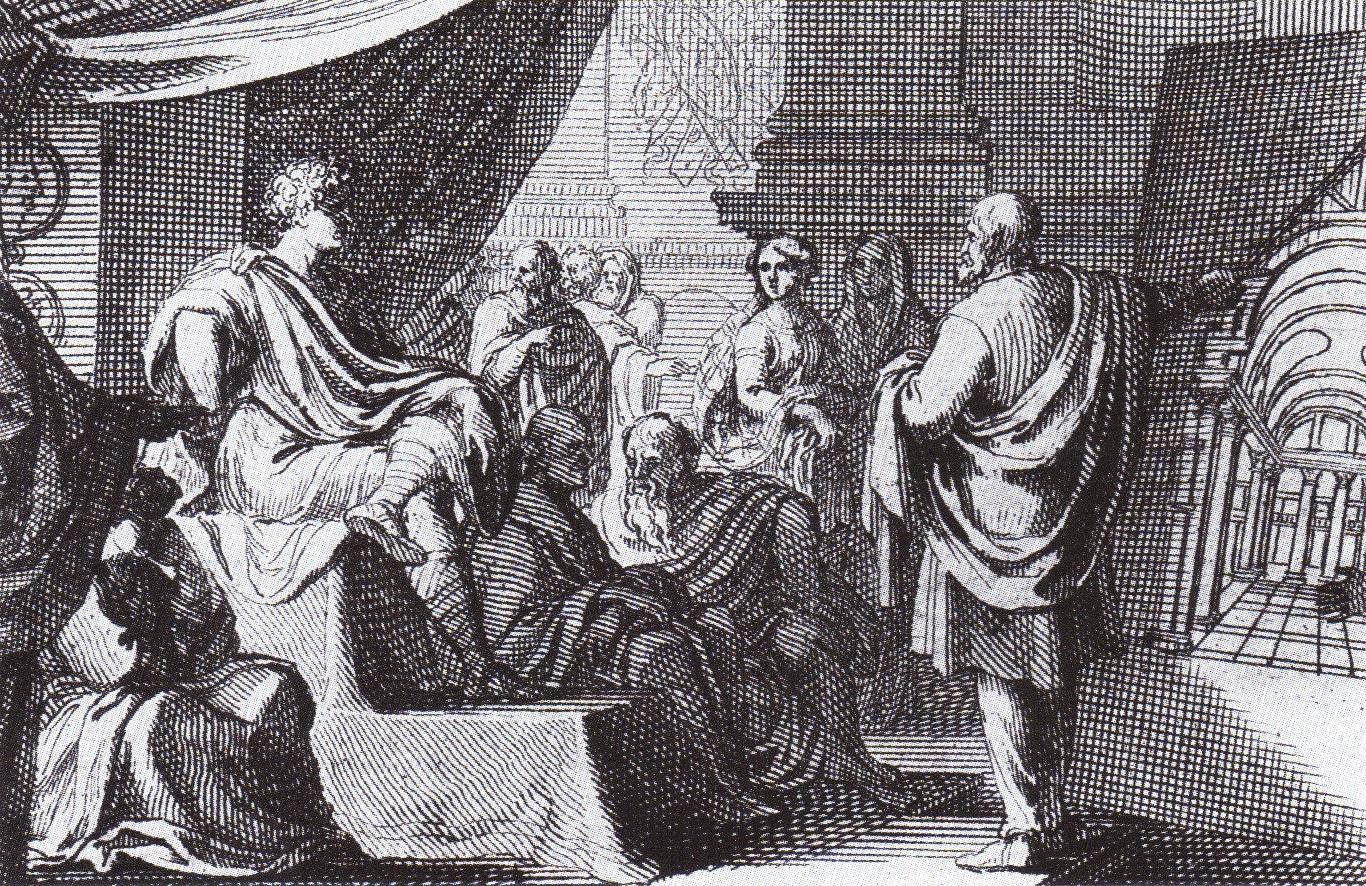
Marcus Vitruvius Pollio, connu sous le nom de Vitruve, est un architecte romain qui vécut au Ier siècle av. J.-C. . Son prénom Marcus et son surnom Pollio sont eux-mêmes incertains.
C'est de son traité, De Architectura, que nous vient l’essentiel des connaissances sur les techniques de construction de l'Antiquité classique. Wikipedia
Vitruvius livre De architectura
Source: De architectura (The Ten Books On Architecture) (~ 15BC), Book II, Chapter VIII, Sec. 8
Vitruvius livre De architectura
Source: De architectura (The Ten Books On Architecture) (~ 15BC), Book X, Chapter XVI, Sec. 12
Vitruvius livre De architectura
Introduction, Sec. 2
De architectura (The Ten Books On Architecture) (~ 15BC), Book II
Vitruvius livre De architectura
Source: De architectura (The Ten Books On Architecture) (~ 15BC), Book II, Chapter VI, Sec. 2-3
“Architecture depends on Order, Arrangement, Eurythmy, Symmetry, Propriety, and Economy.”
Vitruvius livre De architectura
Source: De architectura (The Ten Books On Architecture) (~ 15BC), Book I, Chapter II "The Fundamental Principles of Architecture" Sec. 1
Vitruvius livre De architectura
Source: De architectura (The Ten Books On Architecture) (~ 15BC), Book II, Chapter IV, Sec. 3
Vitruvius livre De architectura
Source: De architectura (The Ten Books On Architecture) (~ 15BC), Book II, Chapter II, Sec. 2
Vitruvius livre De architectura
Source: De architectura (The Ten Books On Architecture) (~ 15BC), Book I, Chapter III "The Departments of Architecture" Sec. 1
Vitruvius livre De architectura
Introduction, Sec. 17
De architectura (The Ten Books On Architecture) (~ 15BC), Book IX
Vitruvius livre De architectura
Source: De architectura (The Ten Books On Architecture) (~ 15BC), Book II, Chapter III, Sec. 4
Vitruvius livre De architectura
Source: De architectura (The Ten Books On Architecture) (~ 15BC), Book I, Chapter VI, Sec. 11
Vitruvius livre De architectura
Source: De architectura (The Ten Books On Architecture) (~ 15BC), Book I, Chapter I, Sec. 2
Vitruvius livre De architectura
Source: De architectura (The Ten Books On Architecture) (~ 15BC), Book II, Chapter VI "Pozzolana" Sec. 1
Vitruvius livre De architectura
Source: De architectura (The Ten Books On Architecture) (~ 15BC), Book I, Chapter IV "The Site of a City" Sec. 1
“In fact, all kinds of men, and not merely architects, can recognize a good piece of work…”
Vitruvius livre De architectura
Source: De architectura (The Ten Books On Architecture) (~ 15BC), Book VI, Chapter VIII, Sec. 10
Vitruvius livre De architectura
Source: De architectura (The Ten Books On Architecture) (~ 15BC), Book I, Chapter I "The Education of the Architect" Sec. 1
Vitruvius livre De architectura
Introduction, Sec. 1
De architectura (The Ten Books On Architecture) (~ 15BC), Book VI
Vitruvius livre De architectura
Source: De architectura (The Ten Books On Architecture) (~ 15BC), Book X, Chapter I, Sec. 3
Vitruvius livre De architectura
Source: De architectura (The Ten Books On Architecture) (~ 15BC), Book VII, Chapter V, Sec. 4
Vitruvius livre De architectura
Source: De architectura (The Ten Books On Architecture) (~ 15BC), Book I, Chapter VI, Sec. 10
Vitruvius livre De architectura
Source: De architectura (The Ten Books On Architecture) (~ 15BC), Book III, Chapter I, Sec. 1
Vitruvius livre De architectura
Source: De architectura (The Ten Books On Architecture) (~ 15BC), Book II, Chapter III, Sec. 4
Vitruvius livre De architectura
Source: De architectura (The Ten Books On Architecture) (~ 15BC), Book VIII, Chapter VI, Sec. 11
Vitruvius livre De architectura
Source: De architectura (The Ten Books On Architecture) (~ 15BC), Book I, Chapter V, Sec. 2
Vitruvius livre De architectura
Source: De architectura (The Ten Books On Architecture) (~ 15BC), Book II, Chapter IX, Sec. 11
Vitruvius livre De architectura
Source: De architectura (The Ten Books On Architecture) (~ 15BC), Book I, Chapter I, Sec. 7
Vitruvius livre De architectura
Source: De architectura (The Ten Books On Architecture) (~ 15BC), Book IV, Chapter VIII, Sec. 6
Vitruvius livre De architectura
Source: De architectura (The Ten Books On Architecture) (~ 15BC), Book II, Chapter VIII "Methods of Building Walls" Sec. 1
Vitruvius livre De architectura
Source: De architectura (The Ten Books On Architecture) (~ 15BC), Book I, Chapter IV, Sec. 12
“Cold winds are disagreeable, hot winds enervating, moist winds unhealthy.”
Vitruvius livre De architectura
Source: De architectura (The Ten Books On Architecture) (~ 15BC), Book I, Chapter VI "The Directions of the Streets with Remarks on the Winds" Sec. 1


